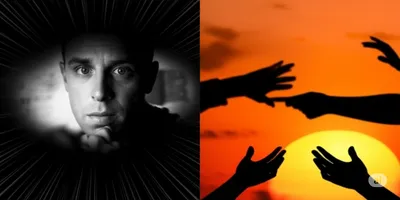
It has been claimed, and rightly so, that gambling is the only business where you give people nothing, and they give you everything in return. Owners of gambling dens and online platforms make enormous profits offering only the chance of a reward, which statistically favors the house. Yet, cases abound of people losing their property, relationships, and sanity, literally everything, chasing the high when the odds are against them. But let’s not be quick to deem these people reckless. Many are optimistic to a fault, believing they will be an exception to the rule. Others are emotionally vulnerable individuals to whom gambling feels like an escape. Some know the risk but tell themselves they will quit after the first win. One could also be a victim of the normalization of gambling, considering it an investment opportunity. The majority, however, get into gambling believing that they can beat the system, especially in sports gambling, where some expertise may come in handy. And slowly but surely, the habit settles in like dust, unnoticed, until everything is covered. According to Eunice Magoma, a councilor operating in Nairobi, “Kenyans are anxious about the economy, the political climate, and the fate of their future, and when the environment is like that, they want to escape. And so people escape to things that bring them temporary happiness, for a temporary high, and gambling is one of those things.” This was the case of Stephen Giro, the founder of Waziri Organization, a registered Community-Based Organization based in Kawangware, inspired by his gambling addiction recovery journey. For him, “Gambling crept in gradually. At first, it was just out of curiosity—placing small bets for fun. But over time, I found myself chasing losses, thinking I could recover what I had lost, and it slowly consumed me,” begins Stephen. Before gambling, Stephen worked as a safety officer at Yaya with Hari Construction Company. He was actively involved in youth mentorship programs and church activities, when out of curiosity, he placed a bet, lost, and began the chase, hoping to recover his loss, leading to addiction. Losses in gambling, coupled with the harsh economic times, would lead to financial pressure, causing stress, but gambling would provide a false sense of hope. “I thought gambling was a shortcut to solving problems. Instead, it magnified them.” It led to more losses, which occasioned financial pressure, gave rise to stress, and thus created a vicious cycle of loss and hope. He ended up prioritizing gambling over personal and professional responsibilities, so he would miss work, lie about money, and feel restless when he wasn’t betting. However, it wasn’t until it stopped being fun and threatened to consume his life that he realized it was a problem. In his words, “that shift from enjoyment to compulsion was terrifying.” “So the gambling industry is taking advantage of this, and that is why you are finding so many people going into gambling, so many people are going into more addictive behaviours like gambling and drinking, as they try to avoid thinking about the next day,” says Magoma. What’s puzzling, though, is that even during his addiction, Stephen had moments of clarity when it was obvious to him that matters were spiraling out of control, “especially when I’d borrow money, gamble it all, and lie to cover my tracks. The guilt was unbearable, but I felt trapped.” Gambling made him lose the trust of loved ones, hit rock bottom financially, get broken emotionally, and lose opportunities for career growth. But he would hide the addiction for almost eight years, pretending everything was okay but getting bogged down by the double life. Still, it wasn’t enough to make him reconsider his ways, not until he eventually lost Sh90,000 meant for rent and general upkeep, that he entertained the thought that his actions severely impacted his family and friends. At this point, he joined a support group, which provided him with accountability partners and faith-based counseling, which, according to him, helped the most. “Joining a support group and serving others gave me strength and purpose,” he said. He had finally done the right thing, but initially, the journey towards recovery wasn’t easy. “I felt ashamed and scared, but I was also hopeful. For the first time, I chose honesty and healing. It wasn’t easy, but it was worth it.” Although he has been in recovery for the last two years, his biggest challenge is the fact that the circumstances leading to his addiction in the first place still prevail. Were it not for the discipline, routine, mentorship, and accountability he learned in therapy, he would have fallen back, as he still gets tempted. Eunice Magoma advises, “There is no easy solution because if you eliminate gambling, something else will replace it. So, until we fix the mental health of Kenyans, until we give them something to look forward to, hope, you cannot take away their source of hope. What we can do is educate people and advise them to develop better coping habits.” If you have a gambling addiction, Stephen’s advice is, “You are not alone, and you are not weak. Seek help now. The sooner you do, the faster your healing begins.” To family and friends, “Don’t judge, listen. Encourage honesty. Be patient. Walk with them. Show them that love is stronger than shame.” And if you are experiencing relapses, “Learn from them and keep moving forward. Recovery isn’t linear. It’s a journey.” For commitment in recovery, “stay connected to support groups, mentor others, and stay away from environments that trigger you,” says Stephen, adding that “isolation, irritability, constant borrowing, financial secrecy, and obsession with betting are all red flags. To those struggling now, Stephen insists, “You can rise again. Don’t let shame keep you in chains. Reach out. Recovery is possible.” Stephen Giro is now building Waziri Organization and speaking out against gambling, having turned his pain into a platform. “I’ve found joy in mentorship, youth empowerment, and spiritual growth. I now lead with purpose and clarity.” His final message is, “Addiction does not define you. Your comeback can be stronger than your fall. Step into healing. You are not alone.”
Steve Waziri
Published on